





Five important factors to consider before installing solar panels

|
Contents |
[edit] Introduction
Modern solar panels are highly efficient, much more so than those of just a couple of decades ago, and the idea of getting electricity from the sun is very attractive. However, there are important factors to be considered before embarking on solar panel purchase and installation.
[edit] Location
Is the house in a suitable location for solar power?
The fact remains that some buildings will not benefit from solar panels as they are not located in the right area or position. In a built-up area, surrounding tall buildings, trees and other obstructions may make solar panels inefficient. Ask a solar panel installation provider to assess the home and its suitability for solar power.
The sun shines on different parts of the house at different times. Ideally, solar panels need to be positioned to get the most exposure to sunlight at the right times. They will also need to consider smaller trees that will grow in time, something people often overlook.
[edit] Energy usage
The next important factor is to work out the required energy usage. Different homes use different amounts of electricity.
The size of the house and the number of rooms within it will influence the electricity usage, as will the number of people who there. Also, electricity may be used for heating and so the number of appliances operated will have an impact.
When solar panel installation providers arrive at the house, make sure they can see a year's electricity bills, as this will show the average usage for the household. Always ensure the system to be installed will be able to handle any likely increase in usage – say the addition of extra rooms or family – so that there is some leeway for the future.
[edit] The condition of the roof
Before purchasing solar panels, the roof should be professionally inspected. Solar panels are, in general, roof-mounted and they will add extra weight. Depending upon the number of panels needed, this weight may be considerable. The weight of an average solar panel is around 20kg.
Homes built from the latter part of the 20th century will most likely have a stronger roof than those built previously. Older houses will definitely need to be examined for this purpose: it is not just the construction of the roof that needs to be assessed, but also the condition. Roofs can be subject to rot, damage, and infestation; woodworm is not uncommon – especially in older roof constructions – and will reduce the strength of the roof supports. Timber may have rotted over time, or older roofs might need additional struts installed to strengthen them.
Some solar panel companies offer a free inspection which should be taken advantage of.
[edit] Cost vs time
This is a major undertaking and one that, in time, should save the householder money and add to the value of the property. Yet, it is the time factor that needs to be considered in conjunction with the cost.
Specifically, homeowners should ask themselves how long they intend to remain in the house? While homeowners should see immediate reductions in the cost of their electricity once the panels come on-stream, it will take a few years – perhaps five or six according to some sources – for the cost of the installation to be offset by the savings.
If homeowners plan to remain in-situ for a long time, solar panels can be a good investment. If, however they need to move every few years for work or other reasons, they are probably not the best way of saving energy, and other short-term cost savings should be sought.
[edit] Quality of the installation
Finally, it is important to seek out a reputable, reliable solar panel installation company that has been in the business for some years and can point to prior work and customer testimonies. With such a fast-growing market, homeowners need to be assured they will get relevant warranties with their solar panel installation.
A good first step is to seek installers willing to offer a free assessment.
[edit] Related articles on Designing Buildings Wiki
- Battery energy storage systems with grid-connected solar photovoltaics BR 514.
- BRE National Solar Centre.
- BRE photovoltaic certification scheme.
- Code of practice for grid connected solar photovoltaic systems.
- DC isolators for photovoltaic systems (FB 68).
- Future of electricity in domestic buildings.
- Installation of photovoltaic panels on existing flat roofs - some lessons learned IP 8 14.
- Large scale solar thermal energy.
- Microgeneration.
- Micro-grid.
- Pavegen.
- Photovoltaics.
- PV inverter.
- Renewable energy sources: how they work and what they deliver: Part 4: Solar thermal hot water systems DG 532 4.
- Solar Squared.
- Solar thermal systems.
- Tau - the solar powered island.
- Wind loads on roof-mounted photovoltaic and solar thermal systems DG 489.
Featured articles
Check out some of the best features and news from Designing Buildings as well as key stories from around the web.
Building Regulations and Building Safety Act
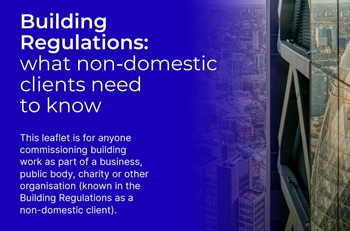
CIOB publishes free advice for non-domestic clients.

Building Safety Newsletter from MHCLG.
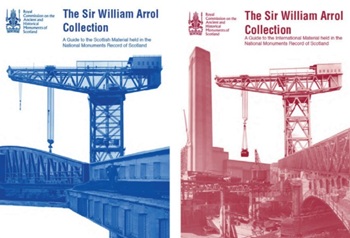
An extraordinary record of steel engineering worldwide.
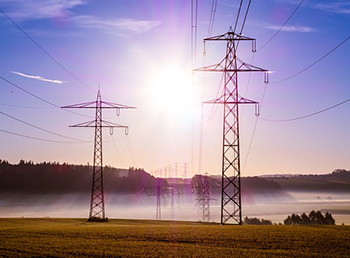
Households living near new pylons to save on bills.

ECA warns growth must not outpace grid capacity or skills.
The role of the client and decision making

CIOB response to built environment professions call for evidence.
Construction's sustainability reporting revolution
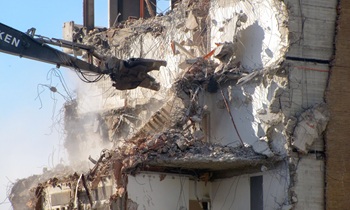
Tracking upfront embodied carbon with digital tools.
ECA welcomes procurement reforms
Public spending must back British jobs and skills.
Campaigning for Edinburgh: the Cockburn Association 1875-2049

The role of the civic voice in protecting character. Book review.
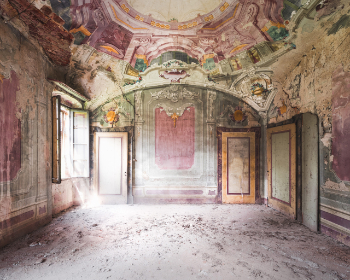
CIOB photography competition is open for entries.
ECA Edmundson apprentice of the year award
Finalists announced.
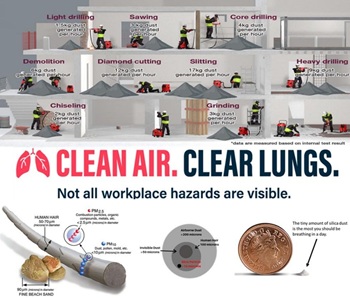
Major new study exposes serious knowledge gaps.
Comments